
Fairytales have been woven into the fabric of storytelling for centuries—passed down, rewritten, and reimagined in endless ways. But behind the magical worlds, cursed princesses, and mischievous tricksters are the writers and collectors who preserved these tales, shaping them into the versions we know today.
Let’s take a look at some of the most famous Fairytalers—the visionaries who kept these timeless stories alive.
Charles Perrault – The Master of Moral Lessons
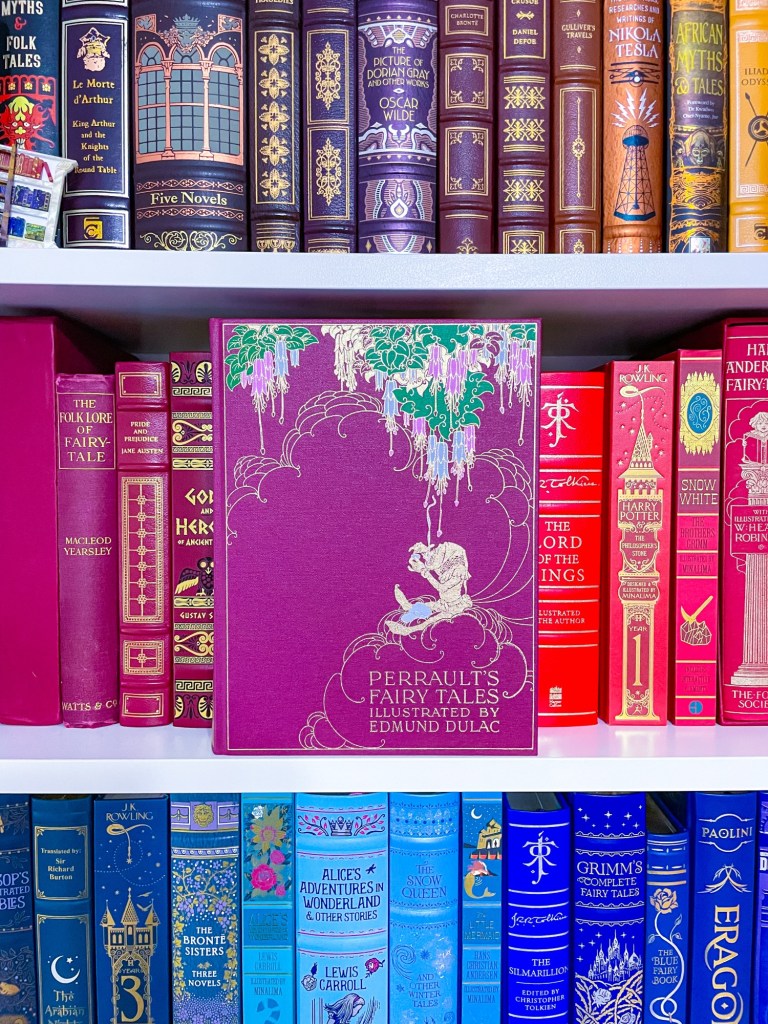
If you’ve ever read Cinderella, Sleeping Beauty, or Little Red Riding Hood, you can thank Charles Perrault, who published his collection in 1697. Perrault wasn’t just recording folk tales—he was reshaping them into elegant, courtly stories with moral lessons. In his version of Little Red Riding Hood, the ending isn’t so happy. Instead, it serves as a warning to young girls about trusting strangers (yikes!). His stories became the foundation for many modern retellings, proving that even a cautionary tale can stand the test of time.
The Brothers Grimm – The Keepers of the Dark & Twisted
Before Disney turned them into animated classics, fairytales were much darker, bloodier, and filled with cautionary warnings—just the way Jacob and Wilhelm Grimm originally collected them. First published in 1812, Grimm’s Fairy Tales wasn’t meant for children, but rather as a preservation of German folklore. Stories like Cinderella, Snow White, and Hansel and Gretel weren’t just tales of romance and adventure—they were often brutal lessons about survival and morality. Over time, their stories softened, but the Grimms’ legacy remains, influencing fantasy writers to this day.


Hans Christian Andersen – The Dreamer of Original Fairytales
Unlike the Grimms and Perrault, Hans Christian Andersen wasn’t just collecting folklore—he was creating new fairytales from scratch. His imaginative stories, like The Little Mermaid, The Snow Queen, and The Ugly Duckling, carried deep emotional themes that resonated across generations. While his endings were often bittersweet or tragic, they added a level of depth and introspection that made them stand apart. Andersen’s fairytales weren’t just stories; they were reflections on love, loss, and identity.

Andrew Lang – The Collector of Colorful Fairytales
If you’ve ever stumbled upon the Blue Fairy Book, Red Fairy Book, or any of the 12 color-coded fairy books, you’ve seen the work of Andrew Lang. His collections, published in the late 19th and early 20th centuries, gathered folk tales from around the world, making fairytales accessible to a wider audience than ever before. While Lang didn’t write the stories himself, he played a crucial role in preserving and popularizing them. His collections introduced readers to tales from diverse cultures, ensuring that the magic of folklore wasn’t limited to just European traditions.

Fairytalers You May Not Know
Beyond the most famous names, there were other incredible storytellers and collectors who helped shape fairytales into what they are today.
Giambattista Basile – The Original Fairytaler
Before Perrault and the Brothers Grimm, Giambattista Basile was collecting fairytales in Italy. His 17th-century work The Tale of Tales (also called The Pentamerone) is considered the first known written collection of fairytales. He recorded some of the earliest versions of Cinderella, Rapunzel, and Sleeping Beauty, though his versions were much more bizarre and dark than the ones we know today. If you want fairytales with a touch of the grotesque, Basile is your guy.
Madame d’Aulnoy – The Woman Who Named “Fairytales”
The term “fairytale” (conte de fée) actually comes from Madame d’Aulnoy, a French writer in the late 1600s. Unlike Perrault, who polished folk tales for high society, d’Aulnoy wrote original fairytales filled with powerful heroines, enchanted creatures, and intricate plots. She was one of the first to create fully fantastical worlds, making her a pioneer of the genre. If you love lush, magical settings, her work is a must-read.
Joseph Jacobs – The Keeper of British & Celtic Folklore
While the Grimms preserved Germanic folklore, Joseph Jacobs did the same for England, Scotland, and Ireland in the late 19th century. His collections gave us stories like Jack and the Beanstalk, The Three Little Pigs, and The Story of the Three Bears (yes, the original version of Goldilocks). If you love classic English folktales, Jacobs was the one who saved them from fading into obscurity.
Wilhelm Hauff – The Forgotten German Fairytaler
While the Grimm brothers are the most famous German fairytale collectors, Wilhelm Hauff was writing his own fairytales in the early 1800s. His stories, like The Cold Heart and Dwarf Nose, often had moral messages and unique, intricate plots. Though less well-known outside of Germany, his work influenced later fantasy writers.
Alexander Afanasyev – The Russian Grimm
If you love Baba Yaga, Vasilisa the Beautiful, or The Firebird, you owe a debt to Alexander Afanasyev, who was the Russian equivalent of the Brothers Grimm. In the 19th century, he collected and preserved hundreds of Russian folktales, many of which were passed down through oral tradition. His work helped bring Slavic folklore to the world stage.
The Legacy of the Fairytalers
These fairytalers—collectors, dreamers, and storytellers—gave us the timeless stories that still inspire books, movies, and retellings today. Whether through their dark cautionary tales, whimsical adventures, or deeply emotional narratives, they created a legacy that continues to spark imaginations across the world.
So the next time you open a fantasy novel or watch a magical film, take a moment to appreciate the storytellers who started it all. Because fairytales aren’t just stories—they’re history, culture, and the heart of storytelling itself.
Which classic fairytale do you love the most? Let’s chat in the comments!
Kimberley Xx
 Enchanted Bookshelf